Projects
Dry Hydrants & Rural Fire Fighting
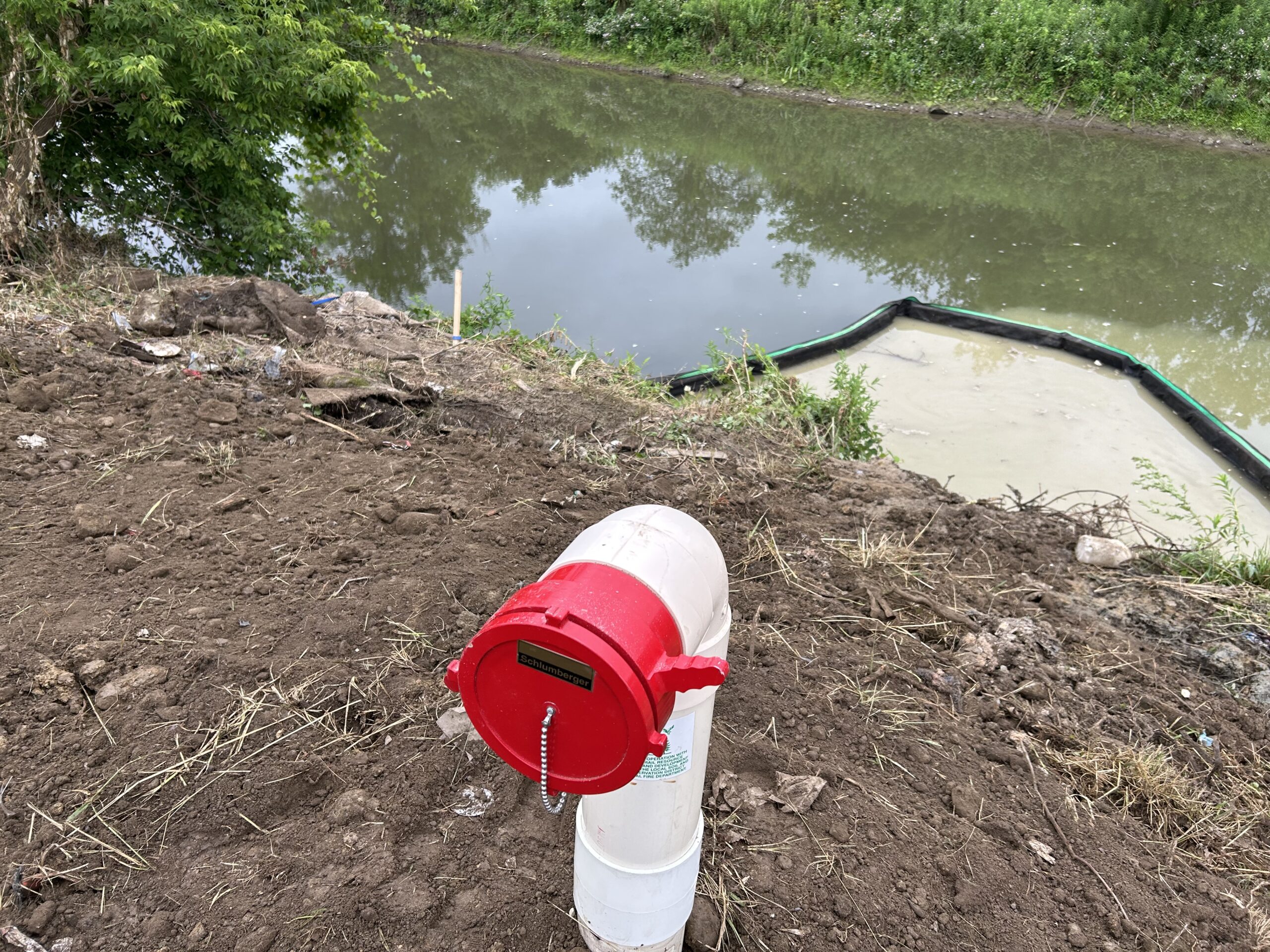
Dry hydrants are often overlooked, yet vital pieces of critical infrastructure here in Cattaraugus County. Dry hydrants are hard structures typically constructed from 6" or 8" PVC pipe that protrudes into a waterbody providing prompt and efficient water access to fire departments fighting rural fires. These hydrants are “dry” in the sense that water only flows through them when a fire department’s tanker attaches a special vacuum hose that draws water from the source, through a filter strainer, and into the truck’s tank.
Many of our fire departments in Cattaraugus County are volunteer fire departments that service a fire district. Within many fire districts there are hundreds, if not thousands, of rural properties consisting of homes, camps, barns, and other structures. Dry hydrants play a crucial role in protecting these structures and properties by providing an accessible water supply to VFDs that otherwise may not have a municipal hydrant system. Many VFDs have strategically placed dry hydrants in different areas of their districts which can shave off precious minutes in response time.
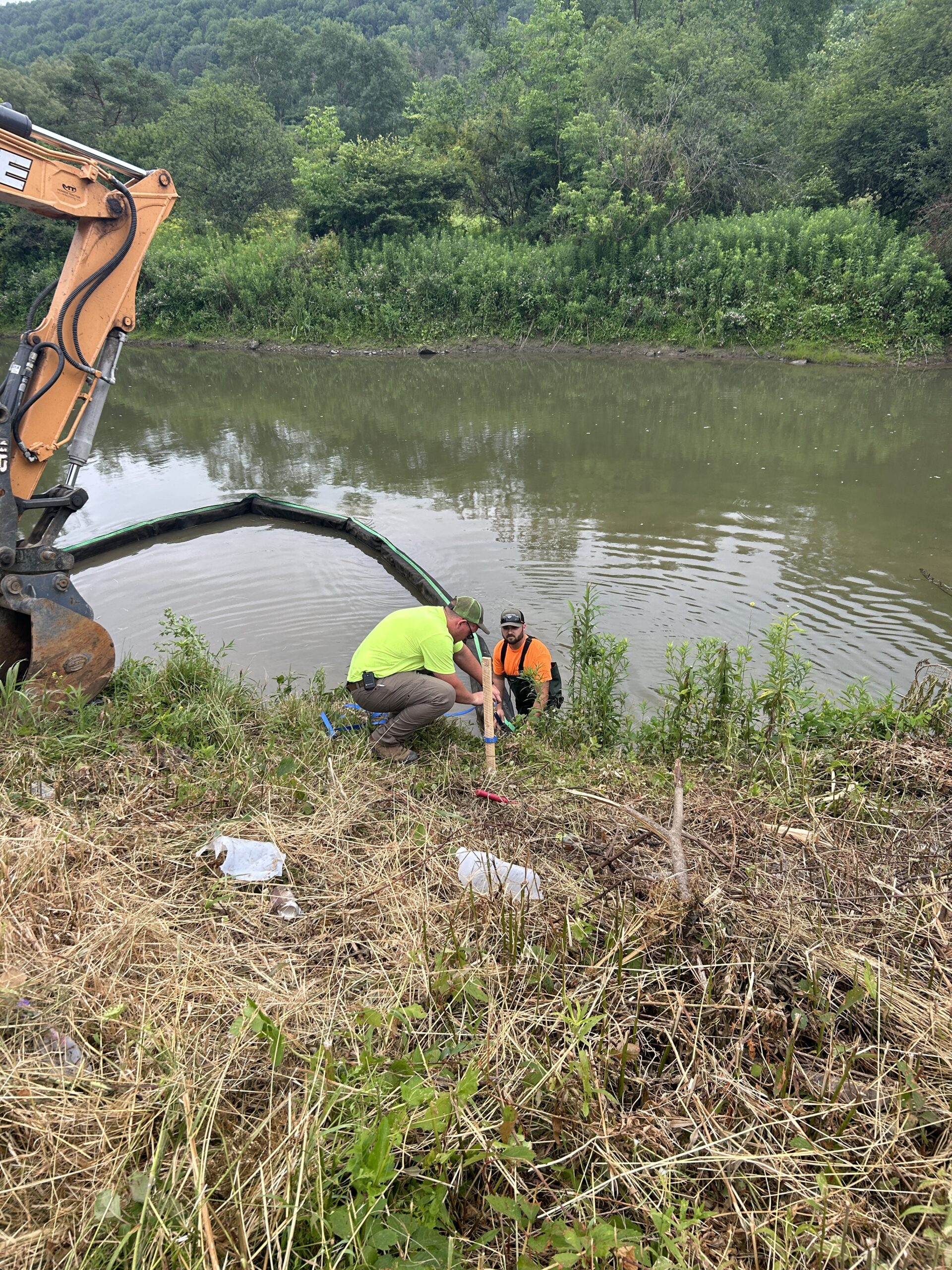
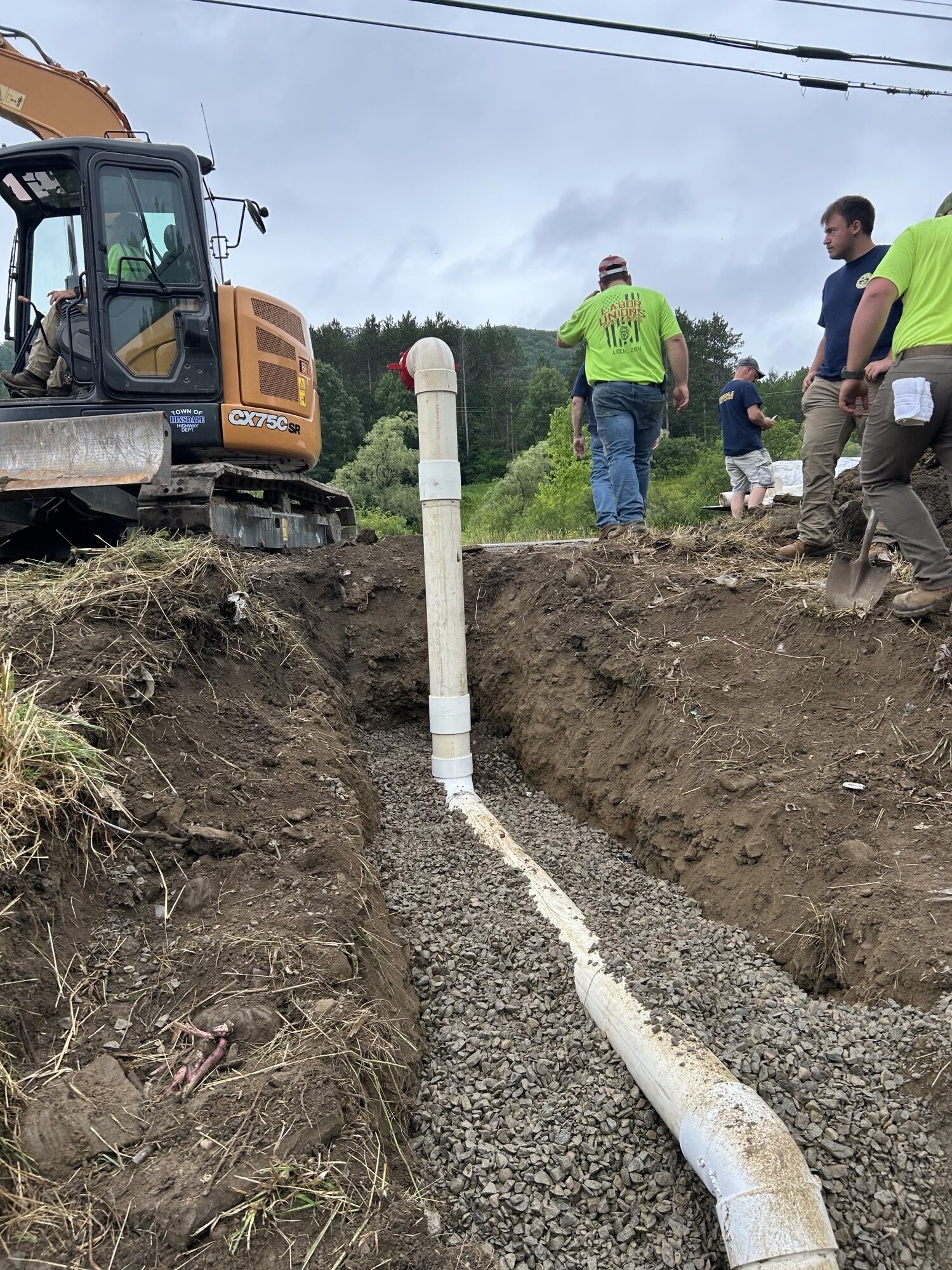
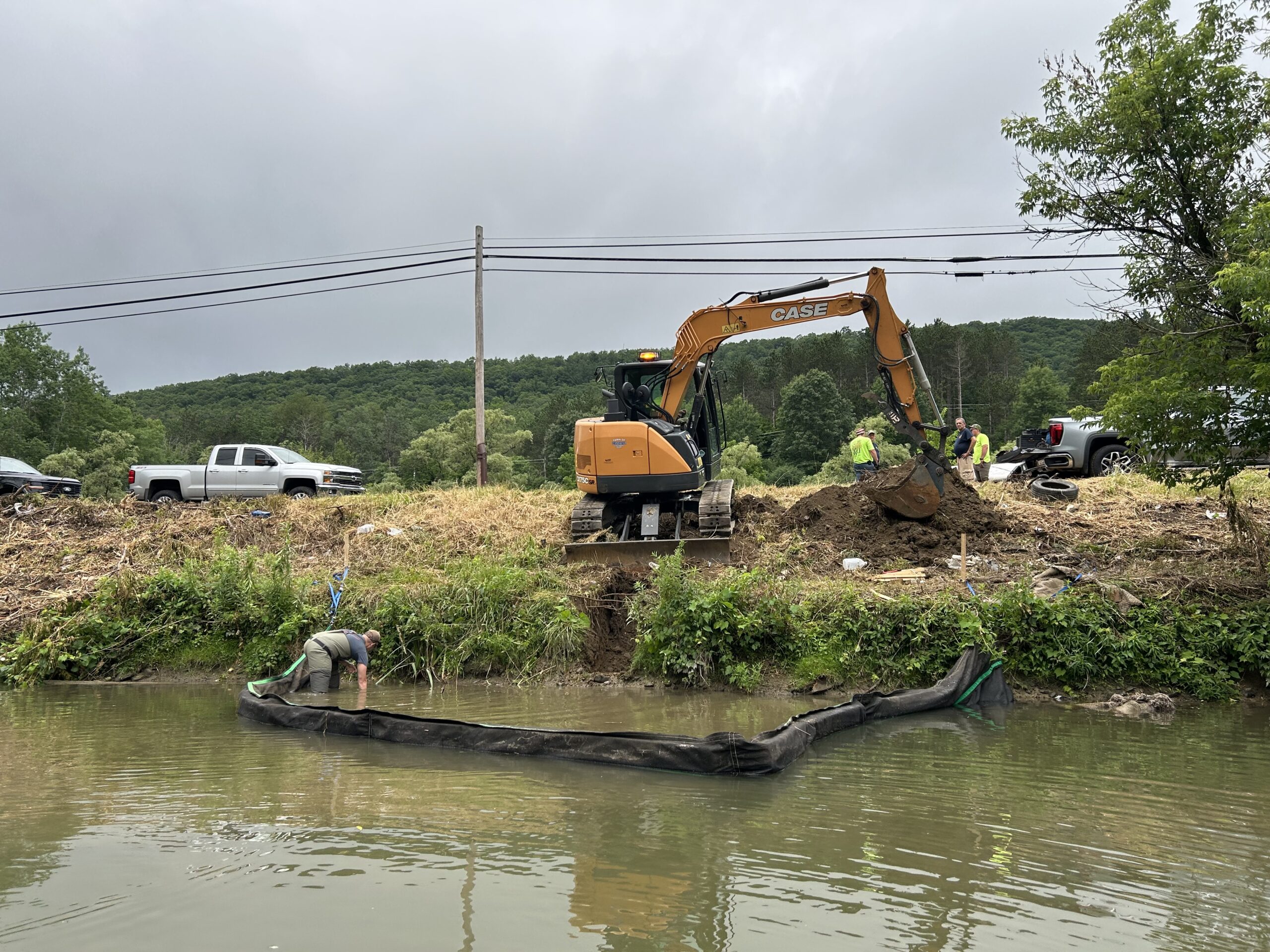
CCSWCD assisted the Hinsdale Volunteer Fire Department with the state and federal permitting of a hydrant on Oil Creek off NYS Route 446 between Hinsdale & Cuba, NY. Oil Creek is a Class A stream - meaning a municipality sources drinking water from it and often has the highest protection of any classified stream. The creek is also known habitat to federally protected endangered mussels. Starting the permitting process with NYSDEC, US Army Corps of Engineers, & US Fish & Wildlife Service in November of 2023, the District & Hinsdale VFD were able to see their efforts come to fruition this past July when the structure was built and implemented. CCSWCD surveyed the site, designed the structure, and permitted the project with the assistance of Hinsdale VFD Chief Kelly Karst. It was estimated that this hydrant would save the department 20 minutes in a round trip in the event of a fire in the area. A special thanks goes to the Town of Hinsdale Highway Department for assisting with construction of the project! Below are pictures of the construction process of the Oil Creek hydrant.
Lake Erie Watershed Protection Alliance
As members of the Lake Erie Watershed Protection Alliance, better known as LEWPA, Cattaraugus County SWCD receives annual funding from NYSDEC to implement projects in our portion of the greater Lake Erie watershed. Cattaraugus Creek not only makes up the northern border between us & our fellow LEWPA member, Erie County, but is also the major watershed in Cattaraugus County that drains into Lake Erie.
Cattaraugus Creek, and its tributaries, makes up roughly a third of the county’s watershed land area. Located in the northern portion of Cattaraugus County, “the Catt”, of which many locals call it, is known for immense erosion sites, and fast flowing, cold water streams which are home to some of the state’s best fisheries.
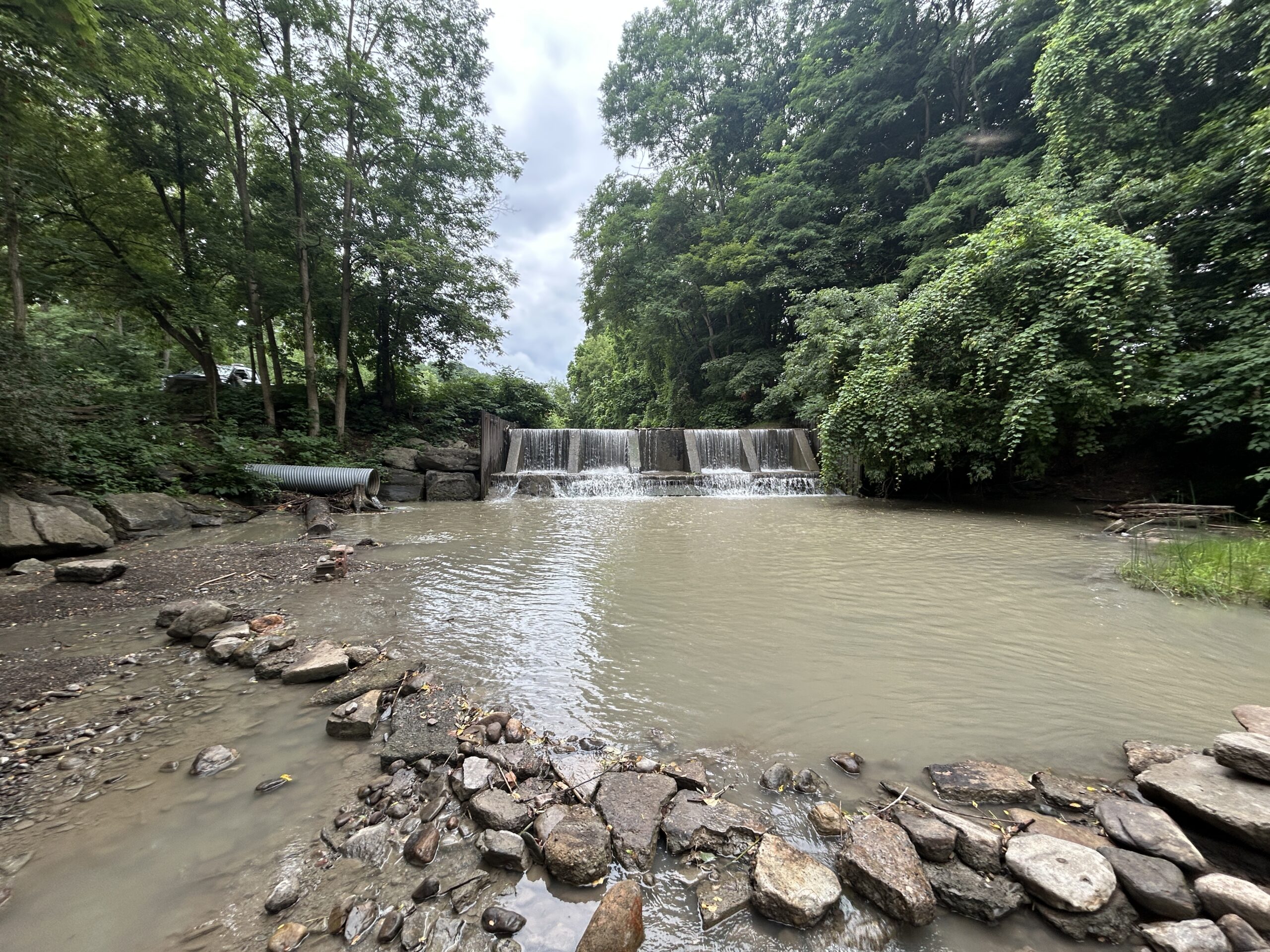
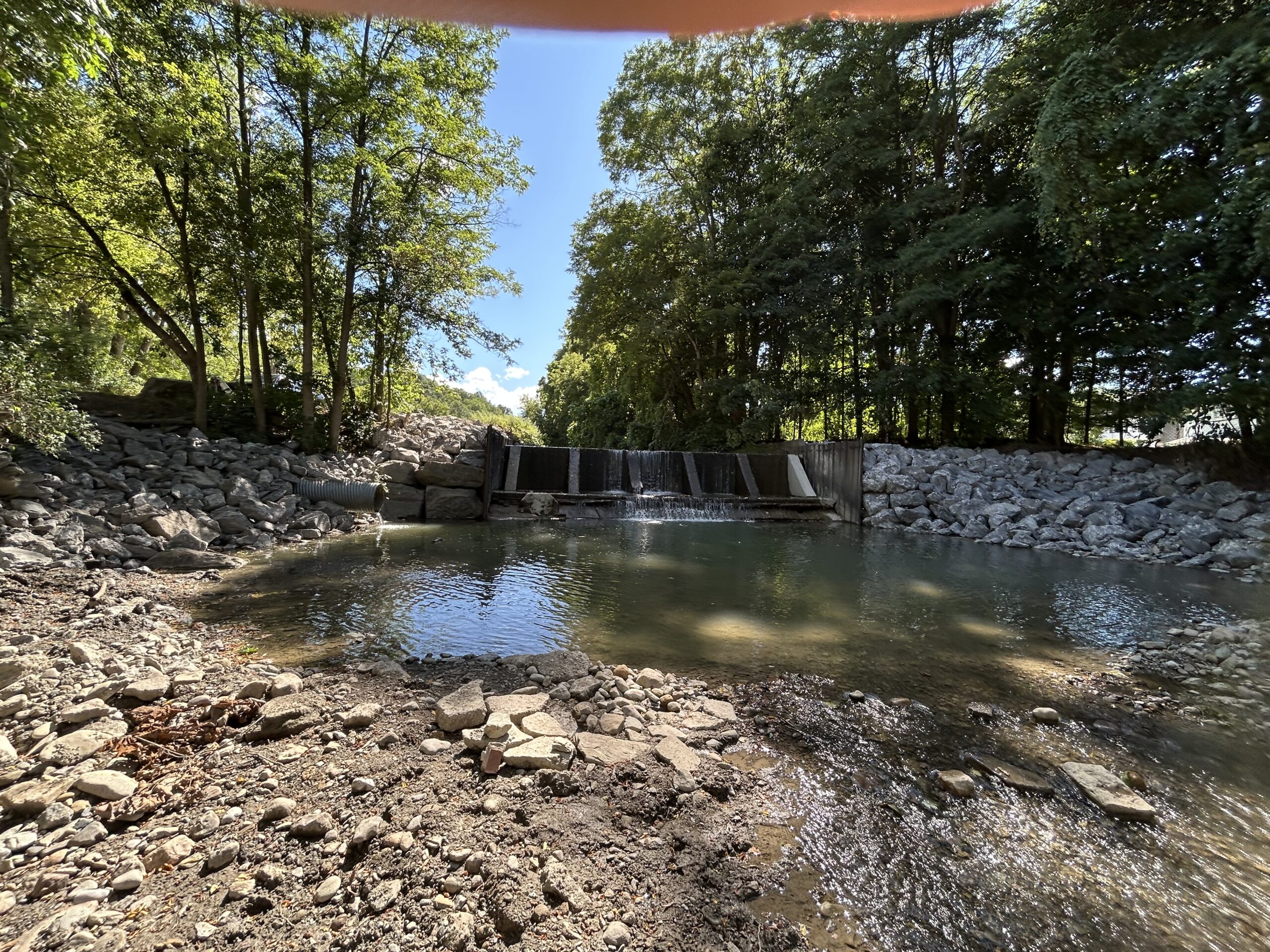
Cattaraugus SWCD was able to partner with the Village of Gowanda to stabilize various erosion sites on Thatcher Brook (pictured right) and Allen Springs through LEWPA Year 2.3 funding. These projects improved the village’s drinking water supply and furthered the municipality‘s climate resiliency as they commonly battle flooding in the area.
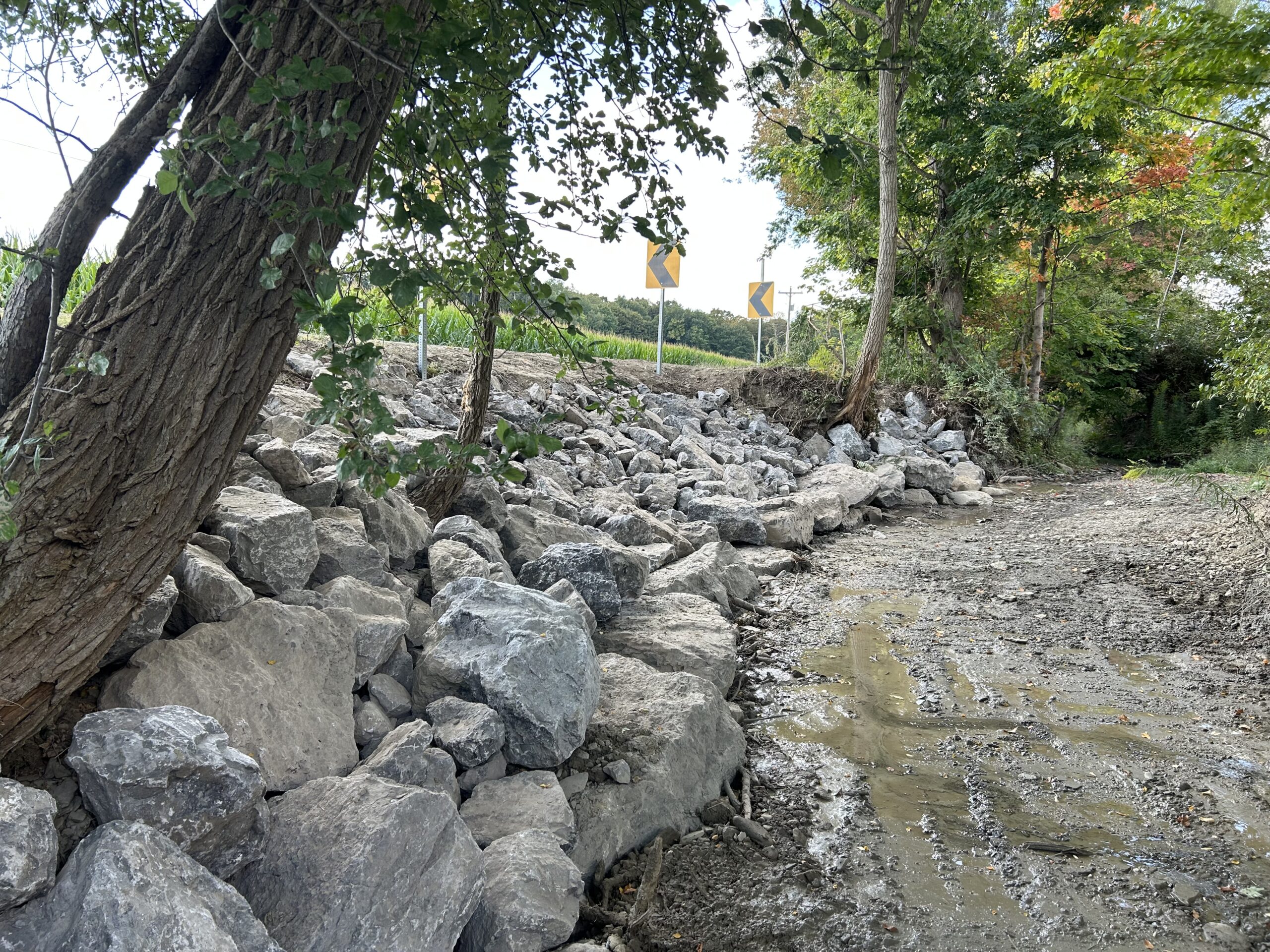
Leon Streambank Stabilization
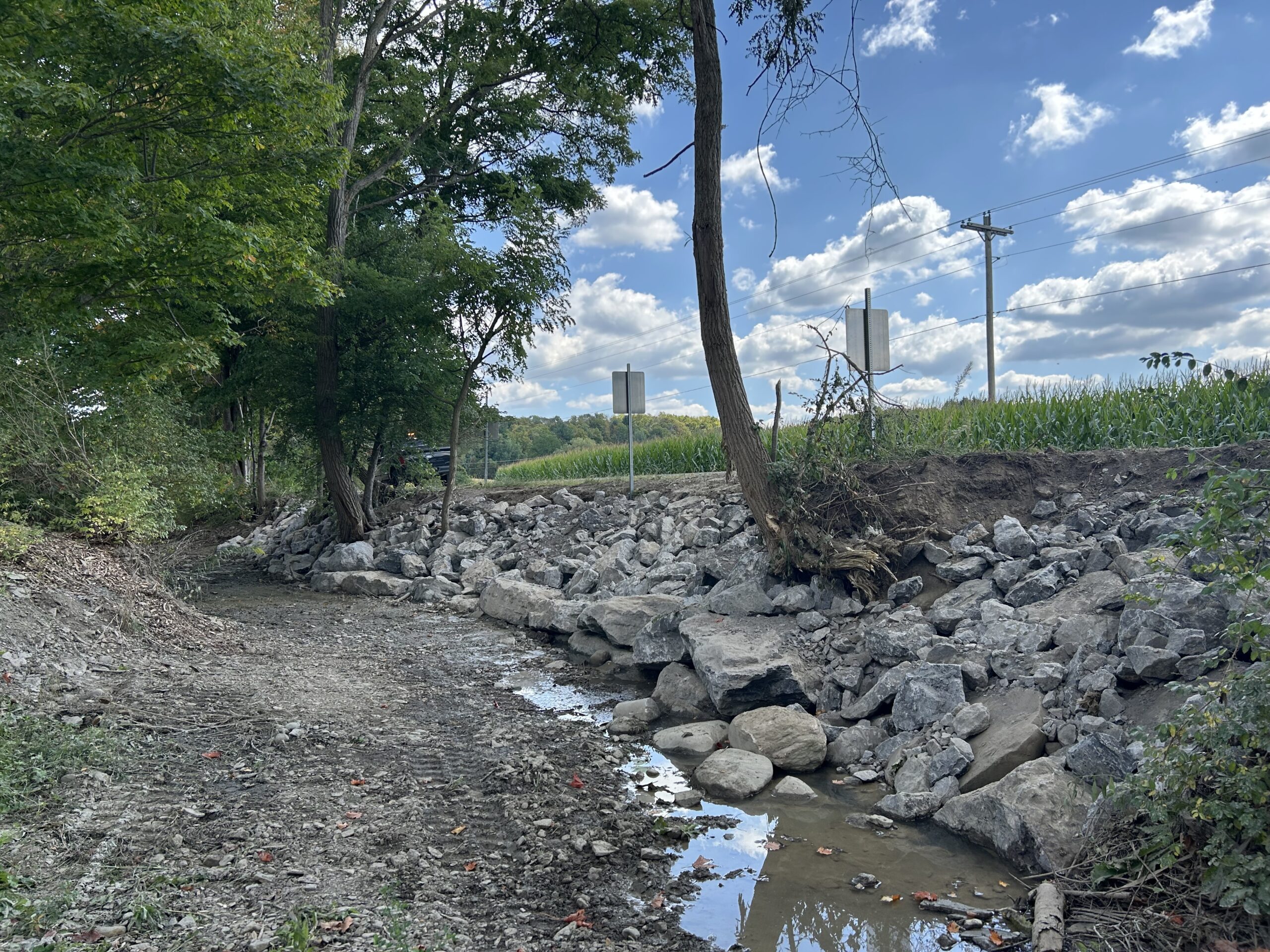
Cattaraugus County Soil & Water Conservation District assisted the Town of Leon Highway Department with the development & permitting of the streambank stabilization project pictured right. Initially visiting the site in the fall of 2023, CCSWCD designed & permitted the project in 2024 with construction commencing during the 2025 construction season.
This project was located on Smith Road and required joint review by the New York State Department of Environmental Conservation & the United States Army Corps of Engineers due to the site's proximity to numerous federal & state regulated freshwater wetlands.
Construction took place during dry conditions when the intermittent stream did not have any base flow. Doing so prevented any potential sedimentation or other water quality concerns.
J. Bogner Construction was the bid-winning contractor that performed the work which included excavation, re-shaping, and armoring of the bank with over 150 tons of limestone riprap!